Is Your Home Hiding a Hazard? A Guide to Lead Paint Safety for Martinez Homeowners
Many of us are drawn to the unique character of the historic Martinez homes that grace our neighborhoods. These properties tell a story, but for any house built before 1978, that story might include a hidden danger: lead-based paint. While a fresh coat of paint can dramatically boost your home's curb appeal, disturbing old lead paint without proper precautions can pose a serious health risk to your family.
If you're planning an exterior repaint, understanding the risks and knowing how to proceed safely is crucial. This guide will walk you through why lead paint is a concern and how choosing a certified professional, like Ó Shea's Painting, ensures your home renovation is both beautiful and safe for everyone.
Why Lead-Based Paint is a Serious Concern
Until it was banned for residential use in 1978, lead was a common additive in paint, prized for its ability to speed up drying, increase durability, and resist moisture. The problem is that lead is a highly toxic metal. When lead-based paint is in good condition and left undisturbed, it usually isn't a hazard. However, the moment it starts to chip, peel, or get scraped or sanded during a renovation, it becomes a significant problem.
Lead dust and paint chips can contaminate the soil around your home and be tracked inside, settling on floors, toys, and furniture. For children, whose bodies absorb lead more easily, exposure can lead to serious and permanent health issues, including developmental delays and learning disabilities. Adults are also at risk for a range of health problems. This is why federal and state regulations are so strict—protecting families from accidental exposure is paramount.
The EPA's RRP Rule: Your Non-Negotiable Safety Net
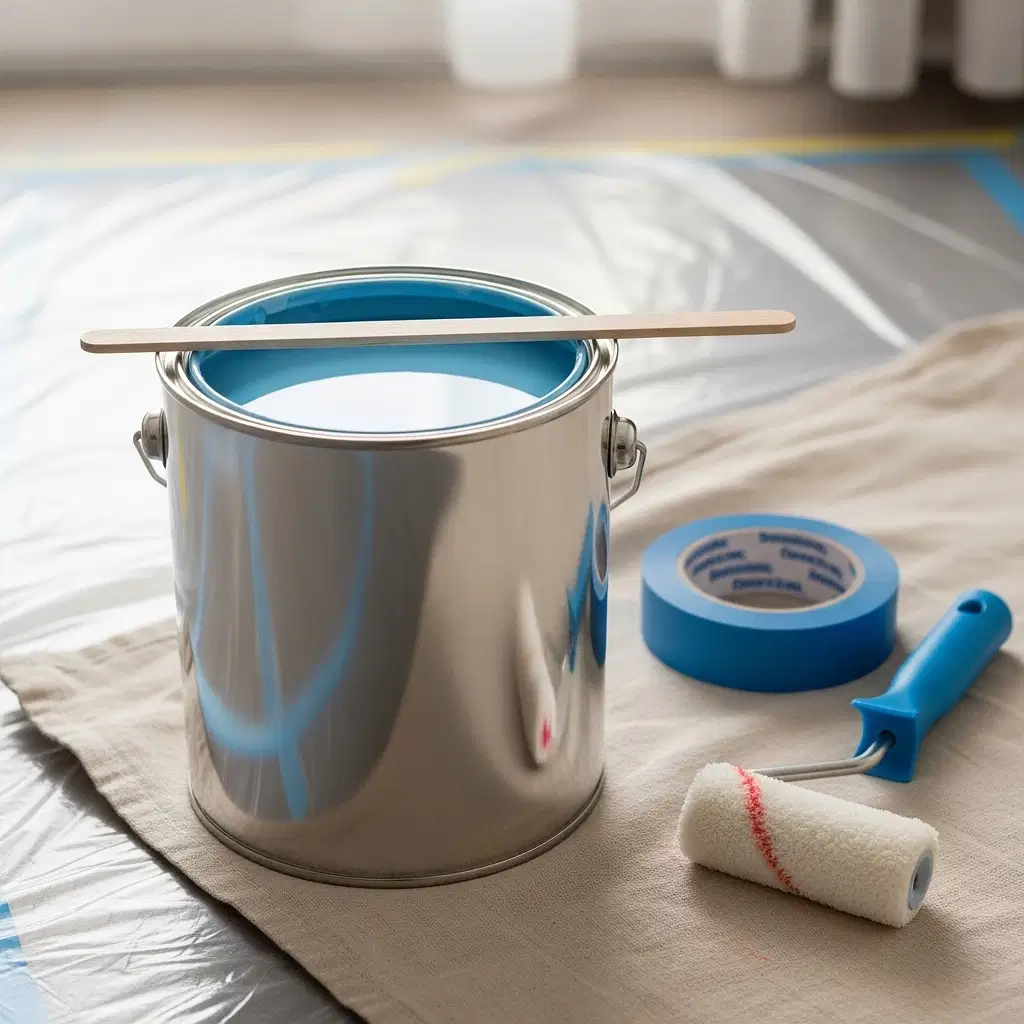
To protect homeowners and tenants, the U.S. Environmental Protection Agency (EPA) established the Renovation, Repair, and Painting (RRP) Rule. This federal law requires that firms performing renovation, repair, and painting projects that disturb lead-based paint in homes, child care facilities, and pre-schools built before 1978 be certified by the EPA (or an authorized state).
What does this mean for you? It means any contractor you hire for a residential exterior painting project on your pre-1978 home must be EPA Lead-Safe Certified.
A certified firm is required to:
- Employ a Certified Renovator who has been trained in lead-safe work practices.
- Follow specific procedures to contain the work area, minimize the creation of lead dust, and conduct a thorough cleanup.
- Provide you with the EPA's "Renovate Right" pamphlet before starting the job.
Choosing a certified painter isn't just about compliance; it's about ensuring your contractor has the knowledge and tools to handle hazardous materials responsibly, prioritizing your family's health above all else.
What to Expect from a Lead-Safe Painting Project
When you work with an EPA Lead-Safe Certified contractor, the process looks very different from a standard paint job. It’s a meticulous approach focused on containment and safety. Here’s a general overview of the steps involved:
- Assessment: The first step may involve testing the painted surfaces to confirm the presence of lead.
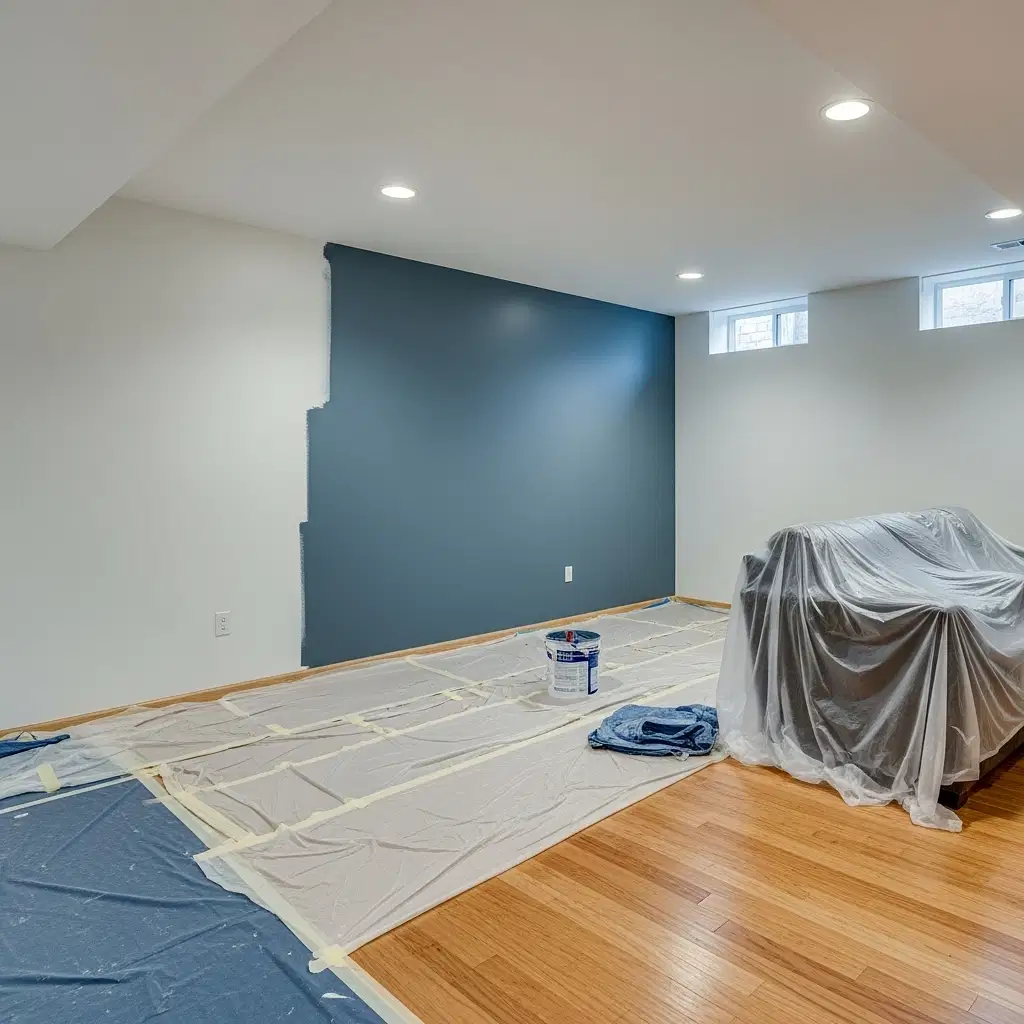
- Containment: Before any prep work begins, your contractor will seal off the work area. This involves laying down heavy-duty plastic sheeting on the ground to catch any paint chips and dust. Doors and windows will be closed and sealed to prevent dust from entering your home.
- Dust-Minimizing Prep Work: Certified painters will avoid unsafe practices like dry scraping, dry sanding, or using a power sander without a HEPA vacuum attachment. Instead, they use methods like wet sanding and misting surfaces to keep dust from becoming airborne.
- Thorough Cleanup: Once the work is complete, cleanup is a critical step. It involves using HEPA vacuums to clean the plastic sheeting before folding it, carefully bagging all waste, and performing a visual inspection to ensure no dust, chips, or debris remain.
This level of attention to detail is what separates a true professional from an uncertified painter and ensures your property is left safe.
The Dangers of DIY and Uncertified Contractors
In an effort to save money, some homeowners might consider tackling an exterior repaint themselves or hiring a handyman who offers a lower price. When lead paint is involved, this is a gamble you can't afford to take. Without proper training and equipment, you can easily contaminate your entire property, creating a long-term health hazard that is far more costly to fix than hiring a certified professional from the start.
Furthermore, if the paint is failing because the underlying material is compromised, simply painting over it won't solve the problem. In cases of extensive wood rot or siding damage, a professional assessment might reveal that siding replacement is a more durable and cost-effective long-term solution. A certified professional can help you make that determination safely.
Protect Your Home and Family with Certified Experts
Your home is your sanctuary, and its beauty should never come at the expense of your family's health. For homes in the Martinez area built before 1978, addressing the potential for lead paint isn't just a good idea—it's a critical responsibility. By understanding the risks and insisting on hiring an EPA Lead-Safe Certified contractor, you can achieve a stunning exterior transformation with complete peace of mind.
At Ó Shea's Painting, we are committed to providing lasting, durable results while adhering to the highest safety standards. If you're ready to refresh your home's exterior, contact us today for a professional and safe painting experience.